Table Of Content
- Exploring the Future of Adaptive Cruise Control in Manual Gearbox Cars
- Featured posts
- Tips for Using Adaptive Cruise Control in Manual Transmission Vehicles
- Safety Boost from Consistent Speeds
- Is low-speed follow available on a manual transmission?
- Here’s How Adaptive Cruise Control Works in a Manual Ford Mustang
- Car Won’t Accelerate Past 40? Here’s Why And What to Do!

It is worth noting that cruise control in manual cars works differently from automatic cars. In manual cars, any sharp changes in speed or gear shifts need to be manually managed by the driver. When you engage the cruise control in a manual car, it maintains a constant speed by adjusting the throttle position. However, unlike automatic cars, you need to manually shift gears when the vehicle slows down or accelerates.
Exploring the Future of Adaptive Cruise Control in Manual Gearbox Cars
We’ve made significant progress, guided by new company leadership, recommendations from third-party experts, and a focus on a close partnership with the communities in which our vehicles operate. However, activating cruise control on steep terrains and hilly roads might not be a good idea. It uses a camera located at the back of the rear-view mirror to detect the cars ahead. Moreover, there’s a sensor that lets you keep a safe distance from the car in front of you.
Featured posts
It’s this feature that can often lower the insurance premium on cars with this system. Now, you might wonder how ACC functions harmoniously with manual gear shifts. Unlike non-adaptive systems, which typically disengage when the clutch is operated, adaptive cruise control in manual cars is designed to be versatile and accommodating. But it’s not a good fit for the manual transmission vehicles because increasing or reducing speed means you have to shift gears manually. Otherwise, we highly recommend using this feature as it’s extremely useful in almost any driving situation and there’s an added bit of safety as well.
Tips for Using Adaptive Cruise Control in Manual Transmission Vehicles
While the gear shifts need to be controlled manually, the adaptive cruise control system helps maintain a set speed and distance from the vehicle ahead, enhancing the driving experience. Future iterations of adaptive cruise control in manual cars may mandate that all vehicles sold in certain markets must be aware of their surrounding. Although not all manual transmission cars have cruise control, some models do offer it along with a speed limiter feature that helps maintain a specific speed.
Barely 12% Of New Cars Still Offer A Manual Gearbox In The USA - CarScoops
Barely 12% Of New Cars Still Offer A Manual Gearbox In The USA.
Posted: Sat, 18 Apr 2020 07:00:00 GMT [source]
Safety Boost from Consistent Speeds
However, for cars with a manual transmission, this feature is not included since you would have to depress the clutch and shift gears manually in order to keep the car going. Yes, manual cars generally have better gas mileage compared to automatic cars. This is because manual transmissions allow drivers to have more control over shifting gears, allowing them to optimize their driving for better fuel efficiency. Manual Cars with Adaptive Cruise Control offer the convenience of cruise control even with manual transmission.
Is low-speed follow available on a manual transmission?
When you look at how cruise control works and how manual transmission cars are basically a thing of the past, you would probably think that they are not compatible with one another. And there is a good reason for that especially when you consider that cruise control works really great on cars with automatic transmissions and how it seemingly should only work on them. Although cruise control in manual and automatic cars serve the same purpose of maintaining a constant speed, there are some notable differences between the two.
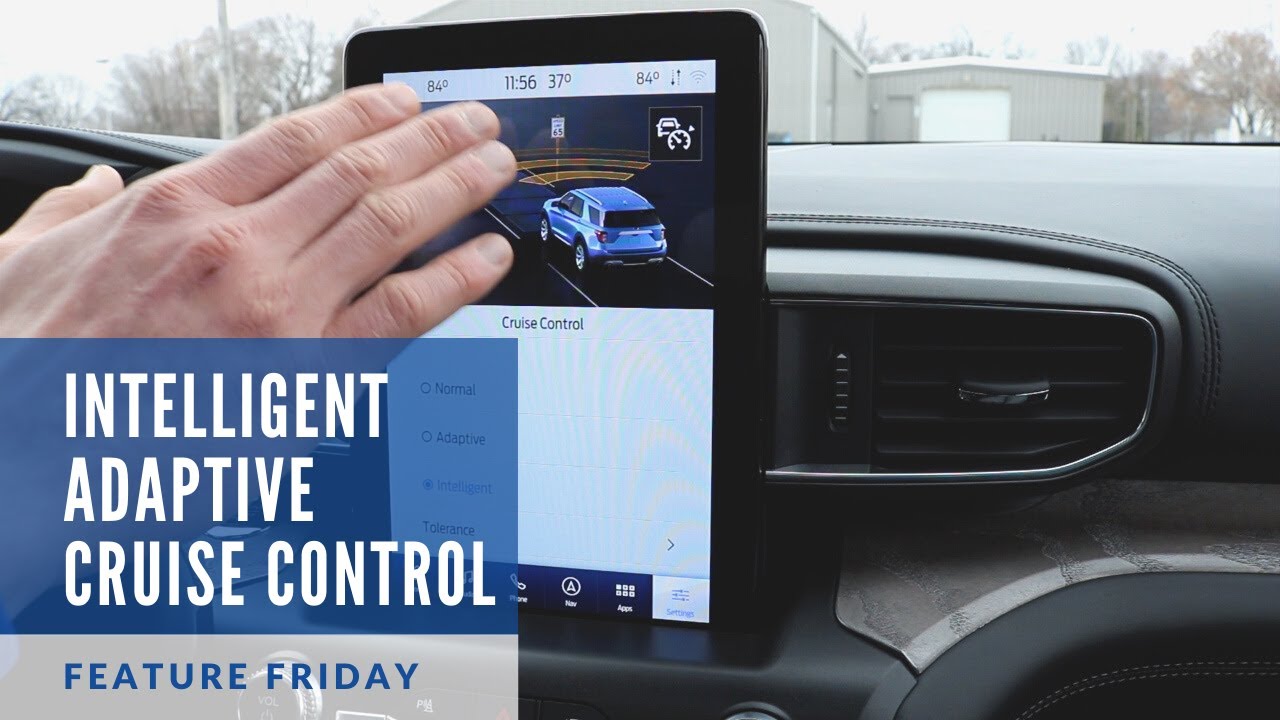
Pioneers like Tesla are pushing the boundaries of self-driving cars, and adaptive cruise control serves as a fundamental component of these systems. In the coming years, we can expect seamless integration between adaptive cruise control and manual control, allowing drivers to effortlessly transition between autonomous features and manual driving. In a nutshell, adaptive cruise control combines radar or laser sensors with clever algorithms to create a driving experience that minimizes stress and maximizes convenience. Many people never use cruise control on their cars even though many vehicles have advanced cruise control features.
Adaptive Cruise Control
These are just a few examples, and the availability of adaptive cruise control may vary depending on the car model and trim level. It’s always recommended to check with the manufacturer or a dealership for the latest information. However, if you'd rather not share the beach with several ships' worth of cruisers, take the ferry to nearby St. John for the day and find a U.S. national park and a more chill beach experience.
ACC adjusts the car’s speed and braking automatically, so you don’t need to worry about constantly adjusting your throttle or brake pedal. It provides smooth acceleration and deceleration, ensuring a comfortable ride for everyone in the car. ACC is typically found in newer cars but can also be retrofitted into older cars as an aftermarket upgrade. It is a standard feature in many SUVs and luxury cars from brands such as Ford and Chrysler. When locating the cruise control button in a manual transmission car, identifying it is crucial.
In manual cars, however, there might be some lag when going up steep terrains. In the long run, it is possible to cause damage but, in most cases, it’s okay to use. It’s important to know that the adaptive cruise control disengages every time you hit the clutch. It’s best to use cruise control on open highways or roads with minimal traffic interruptions. When a driver manually operates a vehicle, speed fluctuations are natural, even when trying to maintain a constant pace.
They don’t need the same type of oil as automatic transmissions and are more durable. In conclusion, cruise control can provide benefits for manual car drivers such as consistent speed and reduced fatigue. However, its limitations, including the need for manual gear control, and potential risks require drivers to use it judiciously and stay vigilant for safe driving. When cruise control is activated, the driver sets a desired speed for the car to maintain. The car’s engine and transmission work together to maintain that speed without any input from the driver.
ACC relies on advanced technology, typically utilizing radar or, in some cases, a laser sensor. Think of radar like the echolocation used by bats – it emits radio waves to measure the distance between your car and the object ahead. Regardless of weather conditions such as snow or fog, the radar signal travels from the car, bounces off the object, and returns, providing valuable information about the object’s proximity.
It makes driving easier, especially while you are driving at a high, constant speed. When driving a car on a highway, you can feel how fruitful this feature is. The manually transmitted cars also have this feature, but in automatic cars, it works more smoothly. Yes, most of the manual cars of this time have adaptive cruise control. The mechanism and the application process of it are completely different. Modern cars from about 2017, often have an inbuilt feature that will disable the cruise control if the engine gets close to stalling.




No comments:
Post a Comment